
Cart items:
Used Equipment Tips: What to Buy and Avoid for Safe Cannabis Cultivation
Sep 3, 2026
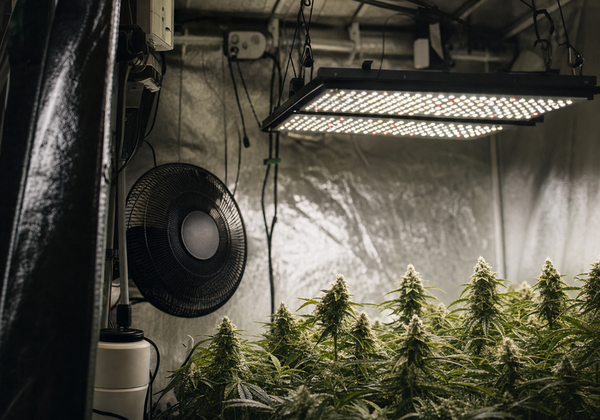
When expanding your commercial cannabis cultivation operation, buying used grow equipment can optimize costs. But to maximize yield and ensure compliance, it’s crucial to know which secondhand gear is safe to acquire and which to avoid. This authoritative guide offers technical insights on safely integrating used grow lights, tents, and nutrients into your grow room or facility while protecting plant health and operational efficiency.
1. Assessing Used Grow Lights for Safety and Efficiency
Grow lights are the cornerstone of an indoor cannabis operation. When buying used, focus on major categories such as LED panels, CMH, MH, or HPS fixtures. Inspect electrical components meticulously: check for damaged wiring, burnt connectors, or signs of overheating that could lead to fire hazards or inconsistent light output.
Note that older fixtures may consume more power and generate excessive heat, increasing ventilation demands and energy costs. Prioritize equipment with known manufacturer reputations and verify compatibility with your electrical and environmental control systems. Electrical safety certification marks and functionality testing are recommended before purchase.
For new lighting solutions or parts like ballasts and reflectors, browse Cannavista's grow lights category to compare current technologies.
2. Evaluating Secondhand Grow Tents and Structures
Used grow tents are often available at attractive prices, but consider their physical integrity critically. Check for tears, damaged zippers, or frame instability that could compromise light containment and environmental control.
More importantly, verify that tents are free from mold or chemical residues from previous grows to avoid contamination risks. Proper sanitization before deployment is essential. When in doubt, opt for new tents designed for commercial use with durable materials and vapor barriers.
Explore Cannavista’s grow tents section to review product listings suitable for enterprise cultivation.
3. Handling Used Nutrients and Supplements Safely
Purchasing used nutrient products is generally not recommended for commercial enterprises because potency and purity can degrade over time, and storage conditions often go uncontrolled in secondhand sales.
If purchasing unopened, sealed nutrient products from trusted suppliers or peers, confirm manufacturing and expiration dates comply with your production timelines. For opened or bulk nutrient solutions, testing for contamination or chemical breakdown is advised.
To avoid these risks, sourcing new, high-quality nutrients ensures consistent plant performance and regulatory compliance. Visit Cannavista’s nutrients and supplements category for commercial-grade options.
4. Best Practices for Buying Used Grow Equipment
- Verify condition before transaction: Inspect all equipment in detail, preferably in person or via high-resolution photos and video walkthroughs.
- Request operational tests: Demonstrations or testing periods help ensure devices such as environmental controllers and fans function properly.
- Sanitize thoroughly: Clean all surfaces with appropriate disinfectants to prevent pest or mold introduction.
- Confirm compatibility and specs: Ensure any used equipment integrates seamlessly with your existing infrastructure and complies with your facility’s safety standards.
- Factor in lifecycle cost: Calculate potential maintenance, repair, and energy expenses relative to buying new equipment.
5. Strategic Investment: When to Buy Used vs. New
Used equipment is invaluable for boosting capacity on a budget, especially for structure components like tents or non-critical accessories. However, critical systems impacting yield consistency, such as lighting and nutrient delivery, should be prioritized toward new purchases to guarantee performance and safety.
Consider a phased upgrade approach—incorporate quality used gear initially, then strategically replace or retrofit with advanced new technology as operational funds permit. This balances capital expenditure controls with long-term gains in productivity and compliance.
Explore Cannavista’s comprehensive selection for both new and gently used cultivation solutions at grow equipment supplies.
Conclusion
Licensed commercial cannabis cultivators aiming to optimize costs while maintaining high standards must carefully navigate the used equipment market. Focusing on safe electrical components, intact grow environments, and fresh nutrient supplies protects your operation’s yield potential and regulatory standing.
Use these expert tips on what to buy and avoid in secondhand gear to inform your procurement strategy and infrastructure design. Browse Cannavista today to source reliable new and used grow equipment that meets your enterprise needs.
Comments
No posts found
Write a review
Meet Cam - Your Cannavista Assistant
Hey there! I’m Cam, your Cannavista guide. Need help finding gear, tracking an order, or starting your own store? Just ask!