Cart items:
Safety First: Handling Nutrients and Chemicals in Your Grow Room
Nov 19, 2026
Handling nutrients and chemicals safely is vital for any home grower or small commercial operation aiming to optimize plant health without risking personal safety or environmental harm. This comprehensive guide offers practical tips and an interactive checklist to help you minimize risks in your grow room and storage area.
1. Essential Protective Gear for Safe Nutrient Handling
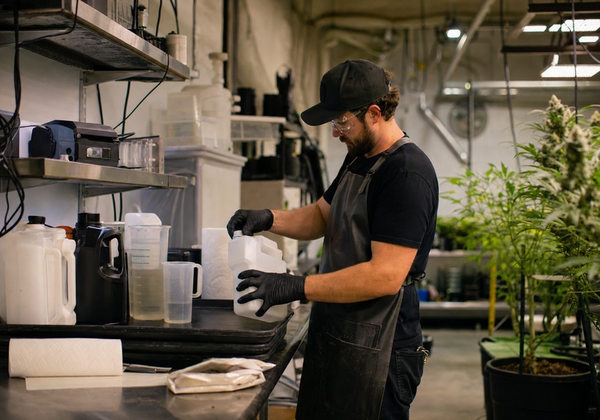
When working with nutrients and chemicals, always equip yourself with the right protective gear to prevent skin and eye contact. Disposable nitrile gloves are highly recommended because they resist chemical penetration and reduce allergic reactions common with latex gloves.
- Dirt Defense Nitrile Gloves 6 mil offer durability and textured grip, ideal for repeated use in mix and application tasks. View Product
- Nitrile Gloves 4 mil Powder-Free provide better dexterity while maintaining strong chemical resistance. View Product
Eye protection such as safety goggles is critical during mixing or spraying nutrient solutions to avoid accidental splashes. Consider chemical-resistant aprons or protective clothing if spills are likely. Closed-toe footwear helps protect against slips and exposed injuries in wet or nutrient-covered floors.
2. Proper Storage Practices to Maintain Safety and Nutrient Integrity
Maintain a dedicated, well-ventilated storage area for your nutrients and chemicals, away from direct sunlight and extreme temperatures. Use containers made from chemical-resistant materials, like HDPE (high-density polyethylene), that tightly seal to prevent leaks.
- Clearly label every container with contents and hazard information.
- Store incompatible substances separately to avoid dangerous chemical reactions.
- Utilize secondary containment trays or spill proof shelving to catch leaks promptly.
- Keep storage organized and secured with restricted access to prevent accidental exposure.
Check out Cannavista’s Buckets & Lids category for versatile storage container options suitable for your grow room needs.
3. Best Practices for Handling Nutrients and Preventing Spills
Safe handling minimizes contamination risks and improves operational efficiency. Always follow these guidelines:
- Use manufacturer instructions for mixing and applying nutrients.
- Employ dedicated measuring tools to dose accurately and avoid over or under application.
- Wear protective gear consistently during all handling tasks.
- Avoid cross-contamination by dedicating tools and containers to specific chemicals or nutrients.
- Keep a spill kit nearby equipped with absorbents, neutralizers, and disposal materials for quick responses.
- Maintain regular cleaning protocols for tanks, sprayers, and mix areas to reduce residue buildup that can cause accidents.
Training your team about emergency procedures, spill response, and proper PPE use reinforces a culture of safety and compliance within your grow environment.
4. Designing a Grow Room and Storage Area with Safety in Mind
A thoughtfully designed grow room minimizes risk exposure while maximizing functionality.
- Place chemical storage at ground level with easy access to prevent accidents from reaching or carrying heavy containers at height.
- Ensure adequate ventilation in both grow and storage areas to disperse any chemical fumes.
- Use clear, visible safety signage reminding staff of PPE requirements and handling protocols.
- Keep pathways clear and floors dry to reduce slip hazards.
- Install emergency equipment like eye wash stations, spill kits, and fire extinguishers in accessible locations.
Interactive Safety Checklist for Nutrient and Chemical Handling
- ☐ Do all personnel wear nitrile gloves when handling chemicals?
- ☐ Are protective goggles or eye shields used during mixing and spraying?
- ☐ Is the nutrient storage area well-ventilated with temperature control?
- ☐ Are all chemical containers clearly labeled and tightly sealed?
- ☐ Are incompatible chemicals stored separately?
- ☐ Is secondary containment (trays or shelves) used to capture spills?
- ☐ Are spill kits and cleanup materials readily accessible?
- ☐ Are proper measuring tools used for nutrient dosing?
- ☐ Is staff training on chemical safety and spill response up to date?
- ☐ Are emergency eye wash stations and safety signage installed?
Using this checklist regularly ensures your grow operation meets high safety standards and operates efficiently.
Conclusion
Safety is the cornerstone of successful nutrient and chemical management in grow rooms. By using the correct protective gear, implementing proper storage solutions, following handling best practices, and designing your grow environment with safety in mind, you can protect your plants, your people, and your investment.
Explore Cannavista’s comprehensive selection of protective gear, chemical containers, and all your cultivation equipment needs to build a safe, productive grow operation.
Comments
No posts found
Write a review
Meet Cam - Your Cannavista Assistant
Hey there! I’m Cam, your Cannavista guide. Need help finding gear, tracking an order, or starting your own store? Just ask!