
Cart items:
Track to Triumph: Advanced Grow Journals for Cultivation Success
Jul 23, 2026
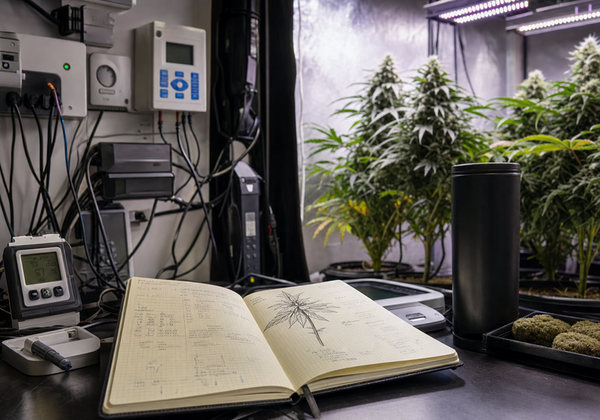
In the highly technical world of cannabis cultivation, meticulous documentation through grow journals is essential for maximizing yields, ensuring regulatory compliance, and optimizing every aspect of the grow cycle. From precise record-keeping to advanced data logging, experienced growers rely on detailed cultivation records to refine their techniques and improve their results. This article dives deep into best practices for grow journals, explores cutting-edge equipment for tracking grows both indoors and outdoors, and presents practical tips for using grow journals as a powerful tool to unlock cultivation success.
Why Detailed Documentation Matters in Advanced Cannabis Cultivation
For experienced cultivators, keeping an exhaustive grow journal is more than a routine task; it is a critical operational pillar. Detailed documentation helps monitor environmental parameters, feeding regimens, plant health, and growth metrics with laser focus. This ongoing data collection enables growers to:
- Correlate specific variables such as temperature, humidity, or nutrient changes with plant responses.
- Identify early signs of pest or disease issues and implement targeted corrective actions promptly.
- Create data-driven protocols that repeat success and avoid previous mistakes.
- Meet strict regulatory reporting requirements by maintaining comprehensive, auditable logs.
- Optimize resource use to reduce costs without compromising plant quality or yield.
Without rigorous record-keeping, even seasoned cultivators can miss subtle but crucial details that impact final product quality or compliance status.
Best Practices for Grow Journals in Advanced Cultivation
Producing actionable insights from grow journals requires depth and precision in logging methods. Follow these best practices to maximize the value of your grow documentation:
- Comprehensive Environmental Tracking: Record daily environmental data such as temperature, relative humidity, CO2 concentration, photoperiod schedules, and lighting intensity. Use environmental controller data logs where possible for continuous precision.
- Nutrient and Irrigation Logs: Track nutrient formulations, concentrations, pH, and feed schedules along with irrigation volumes and frequencies. Document adjustments along with plant responses.
- Growth Metrics and Phenotypic Observations: Measure plant height, node spacing, vigor, and leaf color regularly. Note phenotypic traits reflective of strain genetics and growth environment.
- Crop Health Monitoring: Rigorously log pest sightings, disease symptoms, stress indicators, and treatment regimens, with date stamps for each entry.
- Harvest and Post-Harvest Details: Document trichome maturity stage, harvesting techniques, drying times, curing methods, and storage conditions in detail.
- Analysis and Continuous Improvement: Analyze your logs post-cycle to identify patterns or inconsistencies. Adjust SOPs accordingly to refine techniques for future operations.
Utilizing a structured grow journal that encompasses these elements makes the cultivation process transparent, repeatable, and scalable.
Advanced Equipment and Digital Tools for Grow Journals
Modern growers benefit greatly from integrating advanced hardware and software solutions into their documentation workflows:
- Environmental Controllers with Integrated Loggers: Devices that automate climate control and store continuous environmental data help growers maintain the ideal microclimate and retain precise historical records.
- Automated Nutrient and Irrigation Tracking Systems: These systems dispense exactly measured feeds while logging application timestamps and quantities, providing consistency in plant nutrition.
- Mobile and IoT Sensors: Deploy wireless soil moisture, temperature, and light sensors that sync with centralized software platforms to enable remote monitoring and alerting.
- Digital Cultivation Management Software: Comprehensive grow management applications allow granular tracking of plant genetics, feeding schedules, environmental conditions, pest controls, and harvest data. Integration with barcoding or RFID scanning enhances traceability.
- High-Resolution Security Cameras with Analytics: Used not just for security but to visually monitor plant growth phases and identify anomalies or unauthorized access documented on video.
- Dedicated Grow Journals for Manual Notes: For hands-on tracking, journals like the "Cannabis Chronicles: A Journal of Experiences" provide structured pages for detailed logging of strain info, environmental settings, nutrient plans, and observations.
Choosing the right combination of manual and digital tracking tools enhances accuracy and operational efficiency.
Implementing Grow Journals in Indoor and Outdoor Environments
Both indoor and outdoor cultivation setups demand meticulous documentation but present unique challenges and opportunities:
- Indoor Environments: Controlled environments benefit most from environmental controllers and IoT sensors that continuously log data. Incorporate grow tents or rooms equipped with humidity domes, dehumidifiers, CO2 supplementation, and precision lighting. Use grow journals to cross-reference environmental data with plant health to fine-tune equipment settings.
- Outdoor Environments: Outdoor cultivation requires tracking variable weather conditions, natural light cycles, and pest pressures. Utilize mobile data loggers and IoT soil sensors with cloud connectivity for real-time data capture. Manual grow journals remain vital for recording observations not captured digitally, such as visual plant condition and pest activity.
In both environments, an effective grow journal serves as a centralized repository to collate environmental inputs, cultivation actions, and observed plant performance.
Conclusion: Unlock Cultivation Success with Grow Journals
The grower’s diary is a foundational asset for achieving consistency, optimizing yield, and meeting compliance standards in advanced cannabis cultivation. By rigorously applying best practices in record-keeping and coupling those logs with the latest digital tools and specialized grow journals, cultivators gain invaluable operational insights. This empowers them to unlock their full crop potential while reducing risk and cost inefficiencies.
Explore Cannavista’s Books & Journals category for premium grow journals and visit our extensive selection of advanced cultivation equipment—your essential tools to track, analyze, and triumph in your grow operations.
Comments
No posts found
Write a review
Meet Cam - Your Cannavista Assistant
Hey there! I’m Cam, your Cannavista guide. Need help finding gear, tracking an order, or starting your own store? Just ask!