
Cart items:
Integrated Pest Management (IPM) Basics for Advanced Cannabis Cultivation
Nov 5, 2026
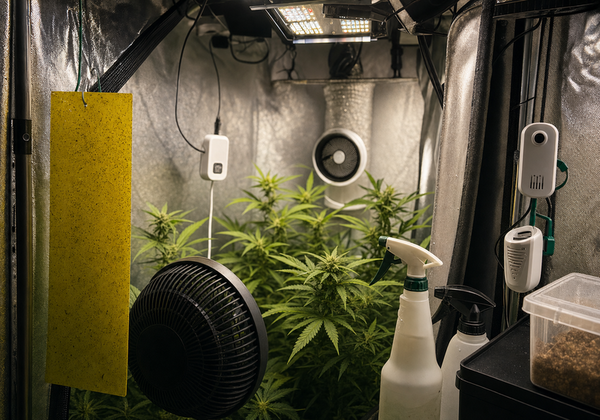
Integrated Pest Management (IPM) represents a strategic, sustainable approach for managing cannabis pests in diverse cultivation environments such as outdoor grows, indoor tents, and greenhouses. For advanced cultivators, applying IPM principles with precision ensures maximized yield, regulatory compliance, and cost-effective operations.
This introductory guide dives into the core IPM principles, advanced monitoring techniques, the role of biological controls, responsible pesticide applications, and the latest cultivation equipment designed to support sophisticated pest management. Additionally, a pest lifecycle infographic highlights optimal timing for treatments to enhance IPM success.
Understanding IPM Principles in Cannabis Cultivation
IPM in cannabis production integrates multiple control tactics to maintain pest populations below economically damaging levels while minimizing environmental impact. Key principles include:
- Monitoring and Identification: Regularly inspect crops for pest presence using sticky traps, pheromone traps, and magnification tools. Accurate identification via microscopes or loupes enables targeted interventions.
- Prevention: Maintain optimum plant health by controlling environmental factors such as humidity, temperature, and airflow using environment controls. Using sterile growing mediums and proper sanitation in grow tents or greenhouses helps reduce pest ingress.
- Control Measures: Favor biological controls like predatory mites and entomopathogenic fungi before resorting to pesticides. Apply approved pesticides precisely and strategically to avoid resistance development.
- Record-Keeping and Evaluation: Document pest sightings, treatments, and outcomes to refine IPM tactics continually and ensure compliance with regulatory standards.
Advanced Monitoring and Timing With Pest Lifecycle Insights
Understanding pest lifecycles is critical to apply controls at the most vulnerable stages. For example, many cannabis pests—such as spider mites, aphids, and thrips—have distinct egg, larva, nymph, and adult phases requiring different interventions.
Using a lifecycle infographic, growers can synchronize treatments:
- Early-stage egg and larval disruptions with biological agents minimize adult populations.
- Larval stage targeting reduces reproduction rates, often with microbial pesticides or insecticidal soaps.
- Adult stage scouting guides timely mechanical removal or selective pesticide application.
Deploy monitoring tools from the Insect Traps category to detect pest population shifts effectively in both indoor and outdoor environments.
Biological Controls and Sustainable Pest Management
Biological controls are cornerstone elements of sustainable IPM, leveraging natural predators, parasitoids, and microbial agents to suppress pest populations:
- Predatory Mites: Species like Phytoseiulus persimilis control spider mites effectively.
- Ladybugs and Lacewings: These generalist predators feed on aphids, thrips, and whiteflies.
- Entomopathogenic Fungi and Bacteria: Biological pesticide formulations, such as products containing Bacillus thuringiensis, disrupt pest lifecycles without harmful residues.
Select biologicals available at Cannavista are compatible with hydroponic systems and various grow setups, helping reduce pesticide dependency while maintaining high plant vigor.
Precision Pesticide Use: Regulatory-Compliant and Targeted Applications
When pest thresholds exceed IPM tolerance limits, pesticides must be applied with precision and adherence to cannabis-specific regulations:
- Use only pesticides authorized for cannabis cultivation, carefully following label instructions.
- Apply treatments during cooler parts of the day or as recommended to prevent phytotoxicity.
- Leverage sprayers and foggers from the Sprayers & Hoses category for accurate coverage while minimizing waste.
- Integrate surfactants and adjuvants from the Surfactants category to enhance pesticide efficacy.
Optimizing Grow Environments and Equipment for IPM Success
Advanced cannabis cultivators rely on high-end grow equipment to maintain optimal environmental parameters that hinder pest outbreaks:
- Environmental controllers regulate temperature, humidity, and CO2 levels to discourage pest proliferation.
- High-efficiency ventilation systems with Fans & Blowers and Carbon Filters help prevent fungal pathogens and airborne pests.
- Hydroponic supplies including water treatments and pH and EC meters optimize nutrient solutions, supporting plant defenses.
- Utilize premium grow tents with robust sealing and lightproofing to reduce pest intrusion.
Keeping growing environments clean and monitoring operational parameters in real-time is essential for preemptive IPM interventions and cost containment.
Conclusion
Applying Integrated Pest Management fundamentals with an advanced technical approach empowers cannabis cultivators to maintain healthier crops, improve yield quality, and streamline regulatory compliance. Leveraging biological controls, sustainable pesticide strategies, and sophisticated grow equipment tailored for indoor tents, greenhouses, or outdoor environments is crucial for successful pest management.
Explore Cannavista's Biological Controls & Pesticides along with Grow Equipment to equip your operation with premium IPM solutions today.
Comments
No posts found
Write a review
Meet Cam - Your Cannavista Assistant
Hey there! I’m Cam, your Cannavista guide. Need help finding gear, tracking an order, or starting your own store? Just ask!