
Cart items:
Financial Health Check: Tracking Expenses and Profitability in Cannabis Grow Operations
Jun 25, 2026
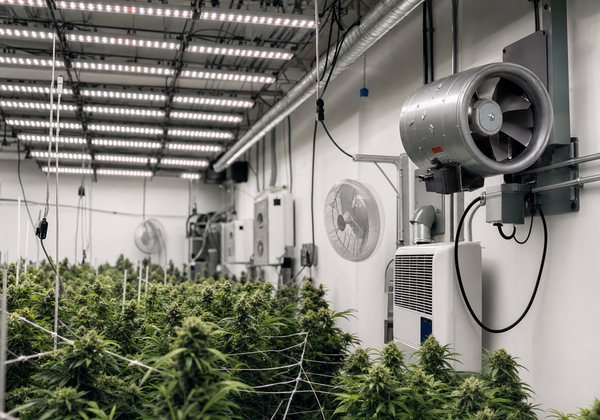
For licensed commercial cannabis cultivators managing large-scale operations, effective financial management is crucial for optimizing costs, maximizing profitability, and ensuring regulatory compliance. Tracking expenses and profitability offers critical insights into your operation’s financial health and supports data-driven decision-making. This guide provides practical strategies and explores tools tailored to cannabis grow environments to streamline your financial tracking process.
Understanding Expense Tracking in Cannabis Cultivation
Expense tracking involves systematically monitoring all outflows related to your cultivation operation. Key cost centers to monitor include:
- Cultivation Equipment: Lighting systems, HVAC (heating, ventilation, and air conditioning), dehumidifiers, and environment controls often constitute significant capital and operational expenses. For example, LED grow lights and dehumidifiers impact energy usage and maintenance costs.
- Grow Environments: Costs related to grow tents, grow tents, containers, and soil amendments affect initial setup and ongoing medium replacement.
- Operational Supplies: Nutrients, pest control products, and packaging materials must be categorized carefully, with SKU-level tracking where possible.
- Labor: Personnel costs are a critical component and should be tracked alongside indirect labor expenses such as training and compliance management.
- Utilities: Energy and water consumption often represent large recurring costs. Monitoring usage with environment controls and energy-efficient equipment helps optimize spend.
Implement expense tracking systems that integrate purchasing data from suppliers, categorize costs by activity or department, and provide visibility into major expenditures. Automation can reduce manual errors and improve record accuracy.
Monitoring Profitability: Revenue Analysis and Cost Control
Profitability monitoring synthesizes expense data with revenue to deliver a clear picture of your business margins. Essential practices include:
- Revenue Segmentation: Separating sales by strain, batch, or sales channel (dispensary, wholesale) facilitates margin analysis and strategic pricing decisions.
- Cost of Goods Sold (COGS) Calculations: An accurate accounting of COGS—including cultivation inputs, labor, processing, and packaging—enables precise profit measurement per harvest.
- Reporting Dashboards: Use dashboards to visualize monthly trends, profitability per grow cycle, and key performance indicators. This helps identify inefficiencies and cost-saving opportunities.
- Compliance Impact: Regulatory costs and record-keeping requirements can erode margins. Factoring compliance costs into your financial tracking supports realistic budgeting and forecasting.
Utilizing Financial Management Tools Tailored for Cannabis Cultivation
Specialized financial management tools designed for cannabis enterprises can unify cultivation data with accounting and compliance tracking. Consider these solutions:
- Cannabis-Specific ERP and Accounting Platforms: Platforms like MJ Freeway, Leaf Logix, and Flourish offer integrated expense tracking, sales data, and compliance management. These tools support batch tracking and multi-location operations essential for enterprises.
- General Accounting Software with Custom Integrations: Software such as QuickBooks or Xero, when combined with cannabis-specific inventory and grow management tools, can handle nuanced cost tracking and reporting.
- Cultivation Environment Controls and Monitoring: Equipment that logs environmental conditions, energy consumption, and resource usage can feed data directly into financial systems, helping correlate operational efficiency with cost impacts. Check out categories like environment controls and timers and meters for automated monitoring solutions.
Practical Tips for Effective Financial Monitoring and Cost Optimization
- Adopt consistent coding and categorization standards for all expenses and revenues to simplify aggregation and analysis.
- Set up automated alerts for budget thresholds and anomalies in utility consumption or supply usage.
- Regularly review vendor contracts and negotiate bulk purchasing deals to reduce supply costs.
- Monitor energy efficiency by upgrading to modern equipment like energy-efficient LED lighting and installing precise airflow management systems.
- Train staff on accurate data entry and expense reporting to maintain high data integrity.
Using Templates and Tools for Easy Expense Tracking
Implementing structured templates—whether digital spreadsheets or integrated software workflows—facilitates detailed tracking without excessive administrative overhead. Templates should capture all facets of costs and link to revenue sources for comprehensive profitability views. Using platforms that integrate purchasing, environmental data, and sales significantly eases this process.
Explore Cannavista's range of environment control equipment and grow light solutions to optimize operational costs, and visit the nutrients and supplements category for inputs that affect both costs and yields.
For comprehensive financial health, combine these tools and practices into your operation’s standard management routine.
Conclusion
For large-scale licensed cannabis cultivators, rigorous tracking and analysis of expenses and profitability are vital to sustainable business success. Employing tailored financial management tools, adopting practical expense categorization, and leveraging cultivation equipment to optimize costs will help maintain profitability and ensure compliance. Start taking control of your operation’s financial health today by exploring Cannavista's curated product categories and expert resources.
Browse Cannavista's full catalog to equip your grow operation with essential financial and cultivation management tools for optimized profitability: https://cannavista.com
Comments
No posts found
Write a review
Meet Cam - Your Cannavista Assistant
Hey there! I’m Cam, your Cannavista guide. Need help finding gear, tracking an order, or starting your own store? Just ask!