
Cart items:
Standard Operating Procedures for Consistent Commercial Cannabis Cultivation
Mar 15, 2026
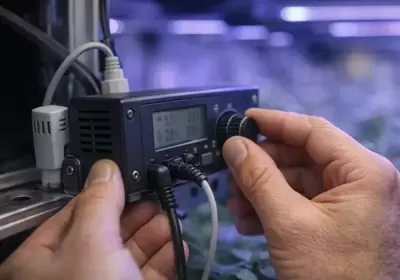
Standard Operating Procedures (SOPs) are vital for small commercial cannabis operations aiming to maximize yield, maintain quality, and optimize operational efficiency. SOPs provide documented, repeatable guidelines that ensure consistent results across cultivation cycles while addressing compliance and cost control.
Key Elements of a Commercial Cannabis SOP
A comprehensive SOP covers all phases of the grow cycle and operational best practices:
- Cultivation Planning: Select strains based on market demand. Schedule all growth phases with clear timelines for planting, vegetative growth, flowering, and harvest.
- Propagation and Vegetative Growth: Define propagation methods such as cloning or seed starting. Establish nutrient feeding schedules and maintain optimal environmental parameters including light intensity, photoperiod, temperature, and humidity.
- Flowering Stage Management: Adjust lighting to 12/12 to induce flowering. Continue nutrient management tailored to flowering plants and conduct continuous health monitoring for stress, pests, or disease.
- Pest and Disease Management: Establish routine inspections and apply integrated pest management (IPM) protocols. Document all pesticide or treatment applications for traceability.
- Harvesting and Post-Harvest Handling: Define clear criteria for harvest timing based on trichome maturity. Standardize harvesting techniques to minimize damage and outline drying, curing, and storage procedures to maintain cannabinoid and terpene profiles.
- Environmental Monitoring and Control: Continuously measure and log temperature, humidity, CO2, and air circulation parameters. Regularly calibrate sensors and adjust controls to maintain ideal ranges.
- Cleanliness and Sanitation: Implement protocols for cleaning tools, equipment, and grow areas. Ensure staff use PPE such as gloves and wear sanitized clothing to prevent contamination.
- Data Recording and Reporting: Maintain detailed logs of cultivation inputs, environmental conditions, treatment records, and plant responses. Use this data to refine and improve SOPs over time.
- Compliance and Safety: Adhere strictly to local and federal regulations governing cannabis production. Ensure all staff are trained on safety procedures and regulatory requirements.
Integrating Equipment and Technology
Using premium cultivation equipment tailored for small commercial grows enhances SOP effectiveness. Automated environmental controls, quality grow lights, nutrient delivery systems, and reliable irrigation pumps support precision cultivation and reduce labor costs.
Building redundancy into critical systems mitigates risks of downtime, supporting continuous productivity and regulatory compliance.
For guidance on scaling from hobby grows to commercial operations and selecting appropriate equipment, explore the comprehensive Cannavista resource: Scaling Hobby Grows to Small Commercial — Equipment Guide.
Conclusion
Developing, documenting, and consistently applying SOPs in your commercial cannabis cultivation operation is indispensable for maximizing yield, ensuring quality, and optimizing operational efficiency. Combining thorough protocols with premium equipment and data-driven adjustments drives sustained success and compliance.
Comments
No posts found
Write a review
Meet Cam - Your Cannavista Assistant
Hey there! I’m Cam, your Cannavista guide. Need help finding gear, tracking an order, or starting your own store? Just ask!