
Cart items:
Droopy Plants: Advanced Troubleshooting and Fixes for Cannabis Cultivation
Mar 28, 2026
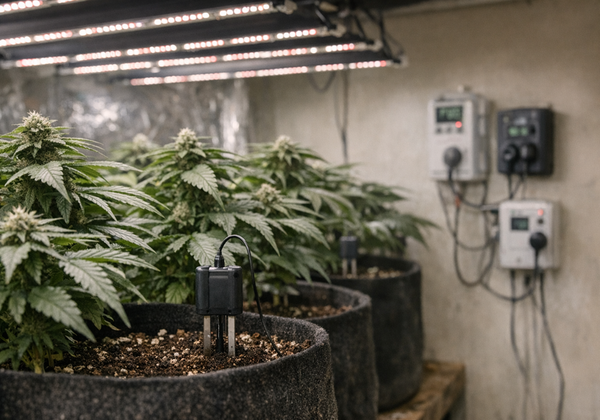
Droopy cannabis plants are a common yet critical issue that advanced growers must diagnose accurately to protect yield potential and plant health. This comprehensive guide delves into root causes like overwatering and underwatering, enhanced by data-driven insights, expert cultivation equipment recommendations, and optimized grow environment practices.
Understanding whether droopiness stems from water management errors or environmental stress is foundational. By integrating sophisticated irrigation automation, precise moisture sensing, and thorough environmental monitoring, growers can maintain ideal plant turgor and maximize productivity.
Identifying Overwatering vs. Underwatering Symptoms
Droopy, swollen leaves combined with consistently wet medium often indicate overwatering. Excess water suffocates roots, reducing oxygen and leading to root rot risk—majorly compromising nutrient uptake and overall growth rates. In contrast, underwatering manifests as drooping leaves that curl or dry out, with visibly dry soil and wilting that signals water deficits hampering turgor pressure.
Advanced growers should leverage moisture sensors and automated irrigation timers to calibrate watering precisely based on substrate moisture thresholds. This strategy averts human error common in manual watering and promotes consistent, stress-free root zones.
Essential Cultivation Equipment for Water Management
- Automated Irrigation Systems: Utilize programmable irrigation timers that work with soil moisture sensors to deliver water exactly when plants need it, reducing chances of over- or underwatering.
- Moisture Sensors: Real-time data on soil moisture levels allow for proactive watering decisions. High accuracy sensors integrate with environmental controllers for system-wide climate management.
- Grow Medium Selection: Choose substrates with good drainage and aeration properties. Combining coco coir with perlite or premium soilless mixes enhances oxygen availability to roots.
Optimizing Grow Environment for Plant Health
Environmental parameters significantly impact plant water uptake and stress levels. Maintaining temperatures between 70-80°F (21-27°C) boosts evapotranspiration without excessive water loss. Relative humidity levels between 40%-60% optimize stomatal function and reduce pathogen risk.
Advanced setups incorporate environmental controllers managing temperature, humidity, CO2, and ventilation. Carbon dioxide levels kept near natural ambient (~300-400 PPM) support photosynthetic efficiency without overheating.
Operational Best Practices to Prevent and Fix Droopiness
- Allow the top inch of growing medium to dry before rewatering, ensuring roots receive sufficient oxygen.
- Monitor plant response closely post-watering; recovery signs confirm proper hydration balance.
- Use quality pH and EC meters to confirm water and nutrient solution parameters are within ideal ranges to prevent nutrient lockout.
- Regularly inspect roots for signs of rot or damage during any signs of prolonged droopiness and consider prophylactic treatments or substrate replacement as needed.
Conclusion
Advanced cannabis growers can effectively mitigate droopy plant issues through precise water management, employing automated irrigation and moisture sensing equipment, and maintaining an optimal grow environment. These measures prevent costly yield loss and ensure robust plant development for commercial or passionate cultivation operations.
Explore premium cultivation equipment and automated environmental controllers at Cannavista to elevate your grow operation's efficiency and success.
Comments
No posts found
Write a review
Meet Cam - Your Cannavista Assistant
Hey there! I’m Cam, your Cannavista guide. Need help finding gear, tracking an order, or starting your own store? Just ask!