
Cart items:

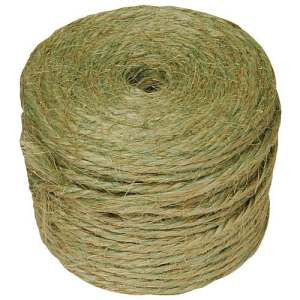
NYP Sisal Twine - 2 Ply - Treated - 10 lb Ball
65TW2PST10BR

Rootline Supply Co. provides reliable tools and products for growers, gardeners, and...
City: US, Tewksbury
Our Advantages
- Competitive Price Matching
- Fast & Discreet Shipping (2-3 days)
- Safe & Secure Shopping
- High Quality Trusted Brands
Buying Multiple Units?
ACH Payments Available
Treated Twine for Tying and Training Plants - 10 lb Ball
Plants that grow tall or heavy need support, and thin or brittle ties let stems slump or snap. This 2 ply sisal twine gives growers a natural-fibre line for tying, trellising and training. The treated finish is intended for the damp conditions common in cultivation spaces.
One 10 lb ball suits growers who tie and trellis often: regular indoor growers, greenhouse operators and commercial crews who go through twine over a season. Small gardens can use it too, and a single ball lasts a long time.
Key Features & Benefits
- 2 ply construction — twisted strands give a stronger line than single strand twine.
- Treated sisal — suited to humid growing environments.
- Natural fibre — a plain, familiar material for tying and training plants.
- Ball format — one ball keeps a large length of twine ready to pull and cut.
Who Should Use NYP Sisal Twine
Greenhouse growers, indoor cultivators and commercial operations that tie, trellis or support plants during vegetative growth and flowering will find it useful, as will home gardeners who want a large supply.
About NYP Sisal Twine
NYP Sisal Twine is a 2 ply treated twine sold as a single 10 lb ball. It falls under plant support tools and accessories for cultivation.
Frequently Asked Questions
Q: What does 2 ply mean?
A: Ply is the number of strands twisted together to form the twine. A 2 ply twine joins two strands, which adds strength over a single strand.
Q: How many balls do I get?
A: Each listing is one 10 lb ball.
Q: What is it used for?
A: Growers use twine like this to tie stems, build simple trellis lines and support plants as they grow. It works in greenhouses, indoor rooms and outdoor beds.
Q: Is natural twine better than plastic for plant support?
A: Natural fibre is easy to cut and handle and suits growers who prefer a plant-based material. Synthetic lines may last longer in some conditions, so choose by your setup and how long the support must hold.
Q: Can I use it in hydroponic systems?
A: It works for supporting plants above hydroponic systems. Keep it clear of reservoirs and nutrient lines where fibre could shed or wick moisture.
Brand
NYP
MPN
TW2PST10BR
Product weight
10 lb
Returns
30-day returns
No reviews found
Please sign in so that we can notify you about a reply