
Cart items:
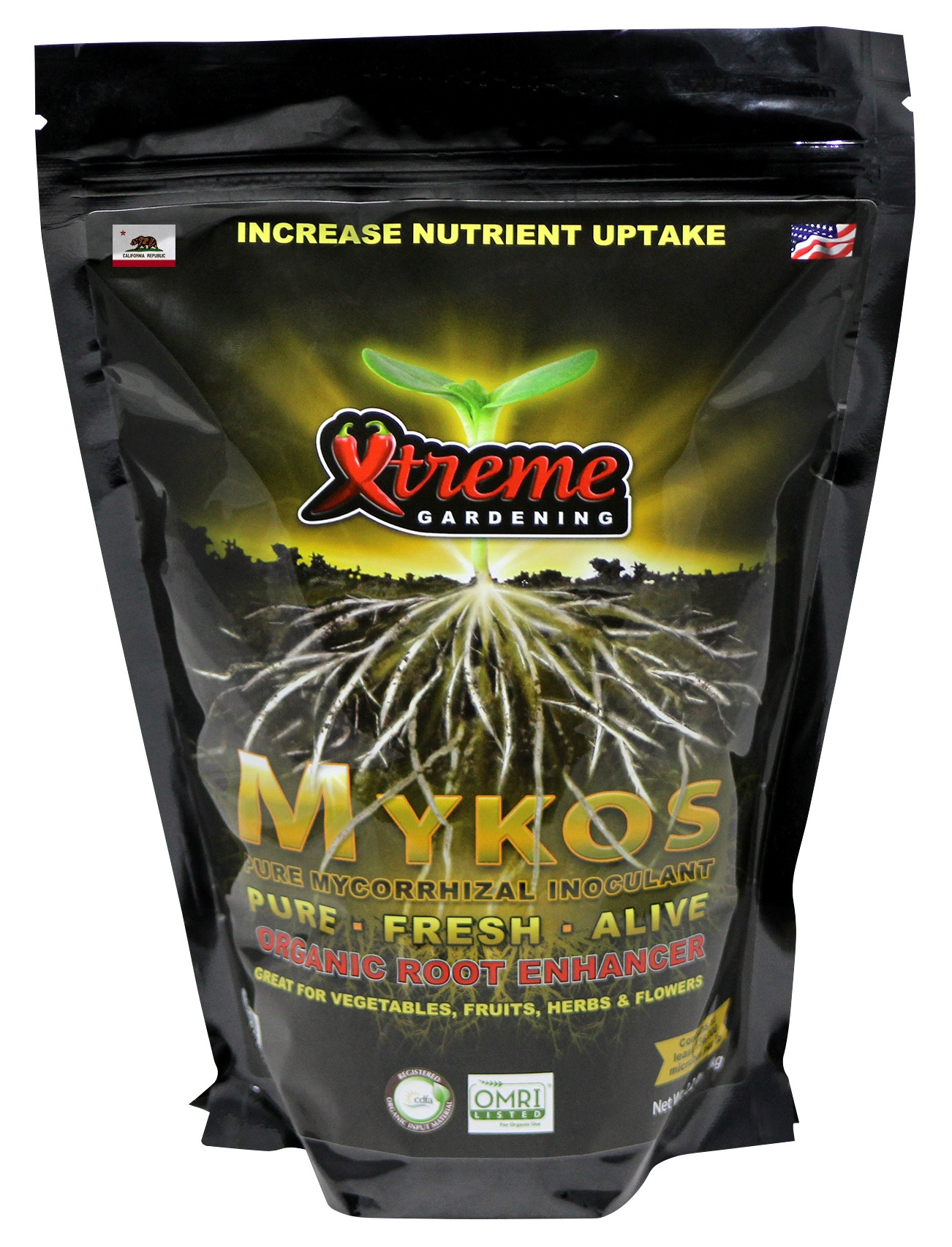
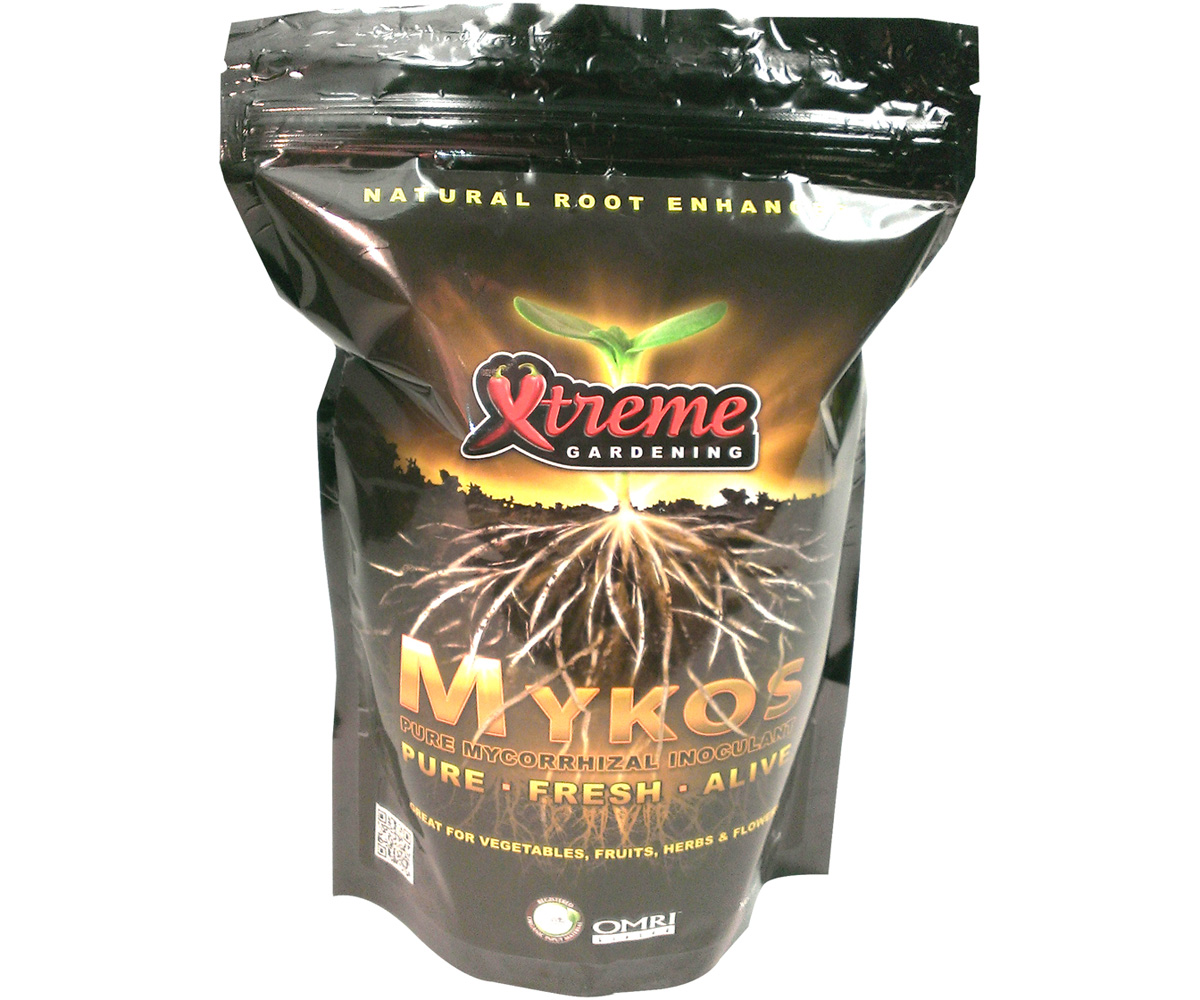
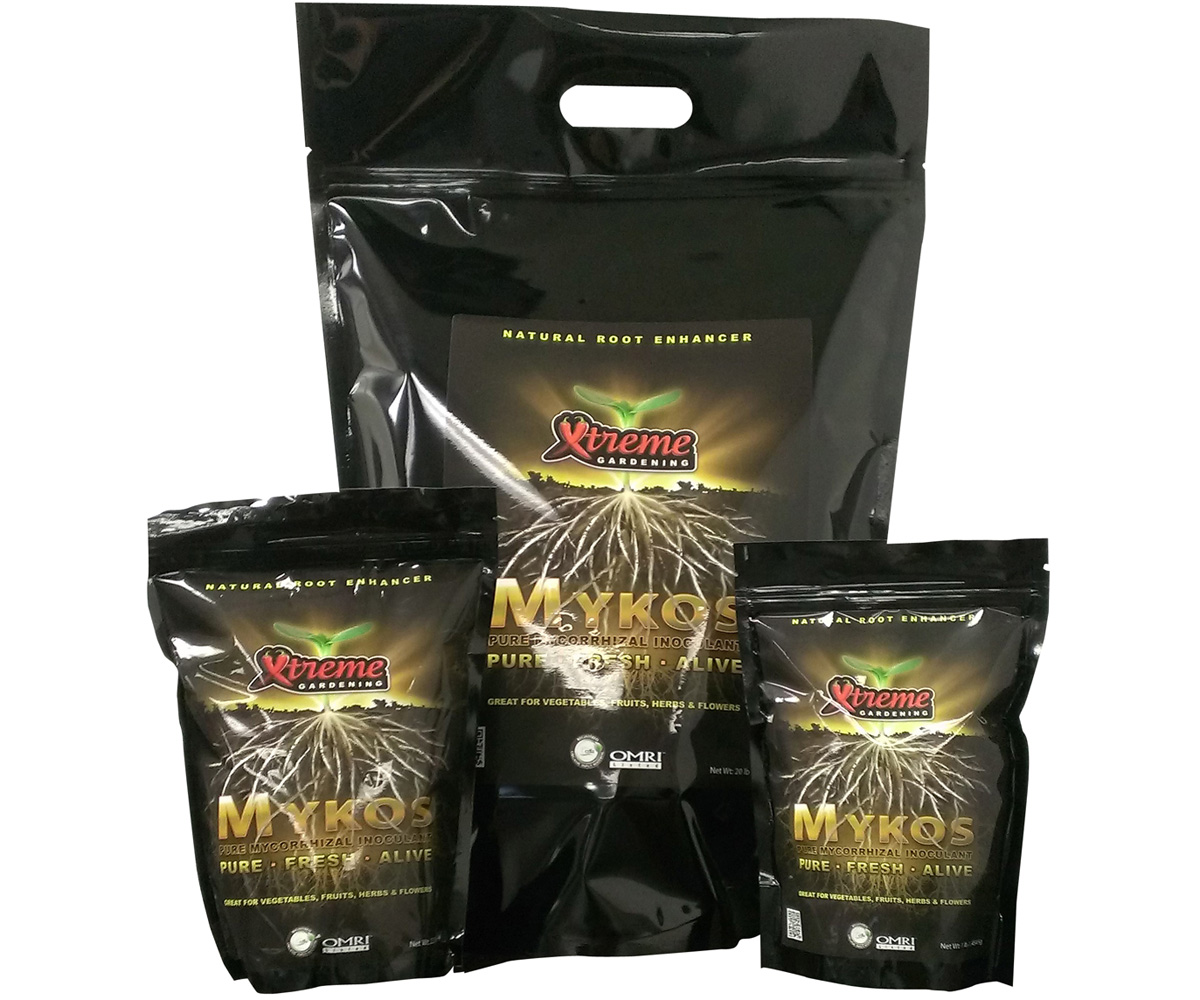


Xtreme Gardening Mykos Granular Mycorrhizal Inoculant - 2.2 lb
RT4402

With a strong portfolio of manufactured and distributed brands, we are one of the lead...
City: US, Shoemakersville
Our Advantages
- Competitive Price Matching
- Fast & Discreet Shipping (2-3 days)
- Safe & Secure Shopping
- High Quality Trusted Brands
Buying Multiple Units?
ACH Payments Available
Pure Granular Mycorrhizal Inoculant, 2.2lb
Left alone, a plant's roots can only reach as far as their own root hairs extend, but Xtreme Mykos changes that math. It's a beneficial organism that colonizes plant roots and forms a symbiotic relationship, extending microscopic hyphae into the surrounding soil to extract and transport nutrients and moisture back to the plant, a natural super-mining effect that a plant can't replicate on its own.
This 2.2lb size fits growers inoculating a larger number of transplants across a full garden bed.
Key Features & Benefits
- Symbiotic root hyphae — extract and transport soil nutrients and moisture back to the plant
- Glomalin soil glue — a byproduct that improves water storage and lowers watering costs over time
- Wide plant compatibility — beneficial to tomatoes, herbs, pumpkins, beans, bulbs, squash, and more
- Single-inoculation coverage — one application delivers lasting root-zone benefit through the season
Who Should Use Xtreme Mykos Granular
Growers of tomatoes, herbs, pumpkins, beans, bulbs, squash, and many other crops who want a granular mycorrhizal inoculant applied once and left to work are the fit for this Mykos format.
About Xtreme Gardening
Xtreme Gardening formulates Mykos as a pure granular mycorrhizal inoculum, one of several biological inoculants the California-based company has built a dealer network of 500-plus locations around over more than 11 years.
Frequently Asked Questions
- How does Mykos work?
- It forms a symbiotic relationship with plant roots, extending microscopic hyphae into the surrounding soil. Those hyphae extract and transport nutrients and moisture back to the plant.
- What does Glomalin do?
- It's a byproduct of the symbiotic relationship that improves soil water storage and capacity. Better water storage translates into lower watering costs over a growing season.
- What crops benefit most?
- Tomatoes, herbs, pumpkins, beans, bulbs, squash, and many other crops. The symbiotic relationship isn't limited to a single plant family.
- How often is it applied?
- A single inoculation at planting provides lasting root-zone benefit through the season. Repeated applications aren't necessary once the relationship is established.
Brand
Xtreme Gardening / RTI
GTIN
863459000324
Product weight
2.5 lb
Length
3 in
Width
6 in
Height
10 in
Returns
30-day returns
No reviews found
States
- Delaware
Please sign in so that we can notify you about a reply