
Cart items:

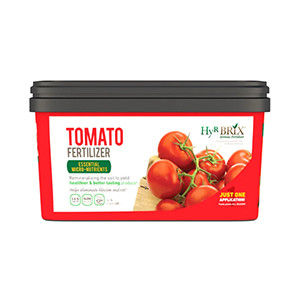
Hy-R-Brix Tomato Fertilizer - 5 lb
82980013

Rootline Supply Co. provides reliable tools and products for growers, gardeners, and...
City: US, Tewksbury
Our Advantages
- Competitive Price Matching
- Fast & Discreet Shipping (2-3 days)
- Safe & Secure Shopping
- High Quality Trusted Brands
Buying Multiple Units?
ACH Payments Available
Calcium-Supported Feeding for Fruiting Crops - 5 lb
Fruiting crops need steady nutrition and enough calcium, and a feed that lacks calcium can leave you chasing disorders late in the season. Hy-R-Brix Tomato Fertilizer combines a 5-8-10 NPK analysis with 8% calcium and 9% sulfur, so one product covers the main nutrients these plants draw on from vegetative growth through fruiting.
The 5 lb size suits hobbyists, small raised beds, container plantings and growers who want to trial a feed before buying in volume. Larger plantings will need more than one unit.
Key Features & Benefits
- 5-8-10 NPK analysis — a phosphorus- and potassium-weighted balance for fruiting crops.
- 8% calcium — supplies a nutrient that supports healthy cell development.
- 9% sulfur — adds a secondary nutrient plants use throughout the cycle.
- 5 lb net weight — a manageable size for small plantings and trials.
Who Should Use Hy-R-Brix Tomato Fertilizer
Home gardeners and small-scale growers feeding tomatoes and peppers will find it a practical choice, including those who want one feed for both crops.
About Hy-R-Brix Tomato Fertilizer
Hy-R-Brix Tomato Fertilizer is a 5 lb fertilizer with a 5-8-10 analysis, 8% calcium and 9% sulfur. It is formulated for all types of tomatoes and peppers.
Frequently Asked Questions
Q: What is the NPK analysis?
A: The analysis is 5-8-10. That is nitrogen, phosphorus and potassium, listed in that order.
Q: Which plants is it made for?
A: It is made for all types of tomatoes and peppers. Check the label before using it on other crops.
Q: Why does calcium matter?
A: Calcium is a nutrient plants need for healthy tissue development. This formula includes 8% calcium so it is supplied along with the main nutrients.
Q: What does NPK mean?
A: NPK stands for nitrogen, phosphorus and potassium, the three primary plant nutrients. The three numbers show the percentage of each in the product.
Q: How much should I apply?
A: Follow the rates and timing printed on the package label. They vary by planting and growing method.
Brand
Hy-R-Brix
GTIN
793573073457
MPN
861-113-09
Product weight
5 lb
Returns
30-day returns
No reviews found
Please sign in so that we can notify you about a reply