
Cart items:

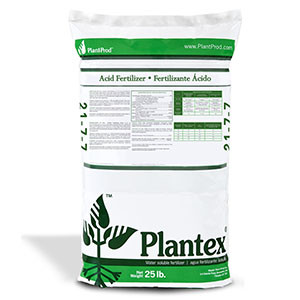
Master Plant-Prod Plantex 21-7-7 Acid - 25 Lb
31-140310

Rootline Supply Co. provides reliable tools and products for growers, gardeners, and...
City: US, Tewksbury
Our Advantages
- Competitive Price Matching
- Fast & Discreet Shipping (2-3 days)
- Safe & Secure Shopping
- High Quality Trusted Brands
Buying Multiple Units?
ACH Payments Available
Lower High-pH Media Gradually with Acidifying Feed - 25 Lb
Irrigation water with a high pH carries bicarbonates that push media pH upward and limit plant growth. This fertilizer has a very high acidifying potential, so it works against that effect and gradually lowers pH while it feeds. Its nitrogen comes in ammonium and urea forms, and the analysis is 21-7-7.
The 25 Lb unit suits growers who feed regularly and need steady supplies, such as nursery and container operations and serious home gardeners with acid-loving plants. Because it is sold each, you can order what your program needs.
Key Features & Benefits
- 21-7-7 analysis — a nitrogen-forward ratio for feeding programs.
- Very high acidifying potential — counters bicarbonates from high-pH irrigation water.
- Ammonium and urea nitrogen — suits plants that prefer acid conditions.
- Fit for continuous feeding — works in ongoing programs when you monitor pH.
Who Should Use Plantex 21-7-7 Acid
Use it if your water has a high pH, or if you grow acid-loving plants such as azaleas, rhododendrons and many evergreens. It also suits bedding plants, pot crops, cut flowers and nursery stock in containers or in the field.
About Master Plant-Prod Plantex 21-7-7 Acid
Plantex 21-7-7 Acid is a fertilizer from Master Plant-Prod Inc with a 21-7-7 NPK analysis and ammonium/urea nitrogen. It is sold as a single 25 Lb unit.
Frequently Asked Questions
Q: Can I use it in a continuous feeding program?
A: Yes, but check pH regularly. Its acidifying potential is very high, so pH can fall below your target level if you do not monitor it.
Q: Why would I use an acidifying fertilizer?
A: High-pH irrigation water contains bicarbonate ions that raise media pH. An acidifying feed counteracts this and gradually lowers pH.
Q: What does 21-7-7 mean?
A: The three numbers are the percentages of nitrogen, phosphate and potash in the product. This one is nitrogen-heavy.
Q: Which plants suit it?
A: It is recommended for plants needing acid conditions, such as azaleas, rhododendrons and many evergreens.
Q: How does it differ from a neutral-reaction fertilizer?
A: A neutral feed has little effect on media pH. This one lowers it over time, so it needs closer monitoring.
Brand
Master Plant-Prod
MPN
00800
Product weight
26 lb
Returns
30-day returns
No reviews found
Please sign in so that we can notify you about a reply