
Cart items:

Espoma Azalea-tone 4-3-4 - Slow Release Plant Food - 4 lb
$86.16 / $7.18 per unit
(minimum purchase of 12)
(minimum purchase of 12)
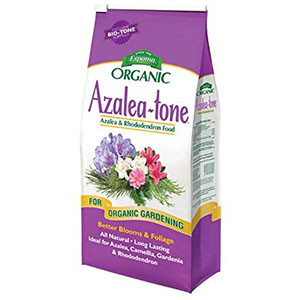
Espoma Azalea-tone 4-3-4 - Slow Release Plant Food - 4 lb
80030173

Rootline Supply Co. provides reliable tools and products for growers, gardeners, and...
City: US, Tewksbury
Our Advantages
- Competitive Price Matching
- Fast & Discreet Shipping (2-3 days)
- Safe & Secure Shopping
- High Quality Trusted Brands
Buying Multiple Units?
ACH Payments Available
Steady Slow Release Feeding for Acid-Loving Plants - 4 lb
Feeding acid-loving plants on a tight schedule takes time, and fast-release products can leave plants hungry between applications. Espoma Azalea-tone 4-3-4 releases nutrients slowly, so plants get a steady supply over time to support blooms and foliage. Its 4-3-4 analysis gives a balanced ratio of nitrogen, phosphorus and potassium.
The 4 lb size suits home gardeners and small-scale growers who tend a handful of shrubs or a modest planting. Growers with larger plantings can order multiple units; the order minimum is 12.
Key Features & Benefits
- 4-3-4 analysis — a balanced nitrogen, phosphorus and potassium ratio for general feeding.
- Slow release — nutrients become available gradually, reducing how often you need to feed.
- Targeted compatibility — formulated for Azalea, Camellia, Gardenia and Rhododendron.
- Bloom and foliage support — feeds both flowering and leaf growth.
Who Should Use Espoma Azalea-tone 4-3-4
Choose this product if you grow Azalea, Camellia, Gardenia or Rhododendron and want a low-maintenance feeding routine. It suits home gardeners and small growers who prefer a slow release approach.
About Espoma Azalea-tone 4-3-4
Espoma Azalea-tone is made by Espoma Company and sold in a 4 lb size, manufacturer part number AT4. Its analysis is 4-3-4, and it is a slow release product for Azalea, Camellia, Gardenia and Rhododendron. Safety data sheets are available from the manufacturer's dealer site.
Frequently Asked Questions
Q: What does 4-3-4 mean?
A: The three numbers show the nutrient analysis in the order nitrogen, phosphorus and potassium. A 4-3-4 product supplies all three in a fairly even ratio.
Q: Which plants is it made for?
A: It is intended for Azalea, Camellia, Gardenia and Rhododendron. Check the label before using it on other plants.
Q: What does slow release mean?
A: Nutrients become available to plants gradually rather than all at once. This supports steady feeding and usually means fewer applications than a fast-release product.
Q: How is slow release different from liquid feeding?
A: Liquid feeds act quickly but need frequent reapplication. A slow release product feeds over a longer period with less effort.
Q: How should I apply it?
A: Follow the rates and directions printed on the package, as they depend on plant size and conditions. Water the plants after application.
Q: Is a safety data sheet available?
A: Yes, the manufacturer's dealer site lists safety data sheets for the Espoma line. Review the correct sheet for this product before handling or storing it.
Brand
Espoma
GTIN
050197065047
MPN
AT4
Product weight
4.3 lb
Returns
30-day returns
No reviews found
Please sign in so that we can notify you about a reply