
Cart items:
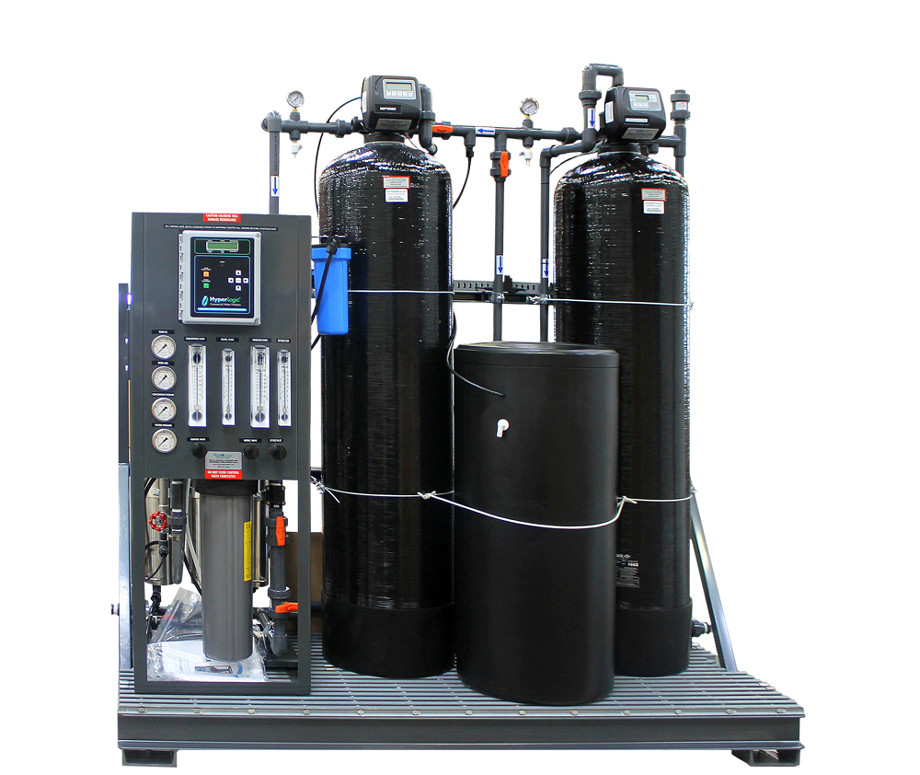
Hyper-Logic 19K GPD Complex Well Skid - Single-Phase (1P)
HGC738272

Hawthorne Gardening Co., is North America’s largest distributor of hydroponic products...
City: US, Port Washington
Our Advantages
- Competitive Price Matching
- Fast & Discreet Shipping (2-3 days)
- Safe & Secure Shopping
- High Quality Trusted Brands
Buying Multiple Units?
ACH Payments Available
A Complex Commercial Reverse Osmosis Skid System for Well Water, 19K GPD Single-Phase
Commercial cultivation operations feeding multiple rooms need water treatment that scales past what a countertop or single-stage RO unit can deliver, and that arrives pre-assembled rather than requiring the operation to plumb together a custom filtration rack. The Hydro-Logic Hyperlogic Well Skid is a pre-plumbed, leak-tested reverse osmosis system built on a stainless steel frame, combining a stainless steel high-pressure RO pump, 5-micron pre-filtration, and an Automatic Recycle Control System (ARC) that reuses runoff water rather than sending it to drain as waste.
This 19K GPD (19,000 gallons per day) configuration is built single-phase to match the electrical service most commercial cultivation facilities of that scale already run, and it's designed for private well water requiring a complex level of pretreatment. Well Skid units are built for private well water rather than municipal supply, so they're configured around well-water pretreatment instead of chlorine or chloramine removal. The Complex configuration adds pretreatment capacity for wells with more challenging water chemistry.
Key Features & Benefits
- Stainless steel high-pressure RO pump — drives water through the system's reverse osmosis membranes at commercial volume
- 5-micron pre-filtration — removes sediment ahead of the RO membranes to protect them from fouling
- Automatic Recycle Control System (ARC) — reuses runoff water instead of sending it to drain as waste
- 19K GPD (19,000 gallons per day) output — sized for private well water requiring a complex level of pretreatment
- Built single-phase — matched to the electrical service most commercial facilities of this scale already run
- Pre-plumbed, leak-tested stainless steel skid frame — arrives assembled and tested rather than requiring the operation to build a custom filtration rack
Who Should Use This Skid System
Commercial cultivation operations that need 19K GPD of consistently filtered water for well source water, on a single-phase electrical service, will use this Hyperlogic skid as the water treatment backbone for their facility.
About Hydro-Logic
Hydro-Logic has built water purification equipment for roughly 20 years, including the reverse-osmosis Stealth-RO and Hyperlogic lines for gardening, hydroponic, residential, and commercial use. The company designs its systems around water-saving reverse-ratio RO technology intended to reduce wasted drain water compared to conventional RO setups, and builds its commercial Hyperlogic skids with stainless steel membrane pressure vessels, brass fittings, and a microprocessor controller, pre-plumbed and leak-tested before shipping.
Frequently Asked Questions
- How much water does this system produce?
- This configuration produces 19,000 gallons per day (GPD) of filtered water. Hydro-Logic offers other Hyperlogic capacities for facilities that need more or less daily output.
- What electrical service does this unit need?
- This configuration is built single-phase, matched to the electrical service most commercial cultivation facilities of this scale already run. Confirm your facility's available service before ordering, since single-phase and three-phase units are not interchangeable.
- Is this system built for well water or city water?
- It's built for private well water requiring a complex level of pretreatment, not municipal city water treated with chlorine or chloramines. Hydro-Logic also offers a City Skid line configured specifically for that kind of municipal pretreatment.
- How does the Automatic Recycle Control System reduce waste?
- The ARC system reuses runoff water from the reverse osmosis process instead of routing it straight to drain, which cuts down on the wastewater a standard RO system would otherwise produce. This makes the skid more water-efficient than a comparable RO setup without a recycle control system.
- Does this system arrive ready to install?
- Yes, the skid ships pre-plumbed and leak-tested on a stainless steel frame, so it arrives assembled rather than requiring the operation to build a custom filtration rack from individual components. Site plumbing and electrical hookup are still required for installation.
- What's the difference between the Complex and Basic Well Skid?
- The Complex configuration adds pretreatment capacity for well water with more challenging chemistry, while the Basic configuration covers standard well-water pretreatment needs. Choose based on a water test of your specific well source rather than assuming one configuration fits every well.
Brand
Hydro-Logic
GTIN
812111017859
Manufacturer's Warranty
1 Year
Product weight
1186 lb
Length
180 in
Width
46 in
Height
80 in
Ships by freight only
Yes
Returns
30-day returns
No reviews found
Please sign in so that we can notify you about a reply