
Cart items:

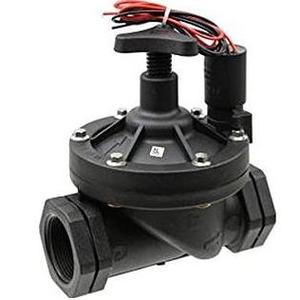
Netafim 1-in DC Latching Solenoid Valve - 61ET1GH2-L
44-4147

Rootline Supply Co. provides reliable tools and products for growers, gardeners, and...
City: US, Tewksbury
Our Advantages
- Competitive Price Matching
- Fast & Discreet Shipping (2-3 days)
- Safe & Secure Shopping
- High Quality Trusted Brands
Buying Multiple Units?
ACH Payments Available
Automate Irrigation Zones with a Latching Valve - 1 in Threaded
Manual valves make timed watering hard to repeat from one cycle to the next. This solenoid valve opens and closes a water line on an electrical signal from your controller, so zones run on schedule without you at the valve. As a latching type, it holds its open or closed position between control signals rather than drawing power continuously, a trait common to this valve category.
This single valve suits a grower automating one zone, a small hydroponic system, or a greenhouse section. Commercial operations can order one per zone and add units as the system grows.
Key Features & Benefits
- DC latching operation — holds position between signals, which suits battery or low-power controller setups.
- 1 in threaded connection — fits 1 in threaded plumbing for mainline or zone control.
- Solenoid actuation — opens and closes the line from an electrical signal for automated scheduling.
- Sold each — buy only the number of zones you need.
Who Should Use Netafim 1-in DC Latching Solenoid Valve
Growers who run irrigation or hydroponic water lines from a DC-output controller and want automatic zone control will find this valve useful.
About Netafim 1-in DC Latching Solenoid Valve
Netafim makes irrigation components. This valve is model 61ET1GH2-L, manufacturer part number 71610-013967, and is a 1 in DC latching solenoid valve sold each.
Frequently Asked Questions
Q: What does latching mean on a solenoid valve?
A: A latching solenoid changes state with a short electrical pulse and then stays in that position. It does not need constant power to remain open or closed.
Q: What size connection does it use?
A: It is a 1 in threaded valve. Match it to your pipe fittings with suitable adapters if needed.
Q: Do I need a special controller?
A: Latching valves generally need a controller that sends a pulse to open and a reverse pulse to close. Check the manufacturer documentation for the exact voltage and pulse requirements before wiring.
Q: Is it sold as a set?
A: No. Each listing is for one valve.
Q: Why choose a latching valve over a standard one?
A: A latching valve uses power only when it changes position, so it suits remote or low-power installations. A standard solenoid draws power the whole time it is held open or closed.
Brand
Netafim
MPN
71610-013967
Product weight
0.65 lb
Returns
30-day returns
No reviews found
Please sign in so that we can notify you about a reply