
Cart items:

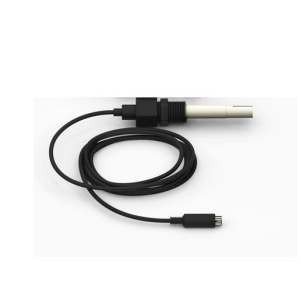
Dosatron Replacement TDS/EC Sensor COM
33-2720

Rootline Supply Co. provides reliable tools and products for growers, gardeners, and...
City: US, Tewksbury
Our Advantages
- Competitive Price Matching
- Fast & Discreet Shipping (2-3 days)
- Safe & Secure Shopping
- High Quality Trusted Brands
Buying Multiple Units?
ACH Payments Available
Restore Nutrient Readings on Your COM Meter - Single Replacement Sensor
A worn or drifting probe makes nutrient solution readings hard to trust, and unreliable readings lead to feeding mistakes. This replacement TDS/EC sensor is made for the Dosatron COM meter line, so you can swap the probe and keep using the meter you already own. A fresh sensor means you go back to checking solution strength with confidence.
This is a single sensor, suited to any grower who already runs a Dosatron COM meter. Home gardeners can keep a hobby setup running, and commercial growers can keep a spare on hand to limit downtime in hydroponic systems.
Key Features & Benefits
- Replacement TDS/EC sensor — lets you renew the measuring part of your meter instead of replacing the whole unit.
- Made for Dosatron COM meters — keeps the sensor matched to the meter brand and line.
- Sold individually — buy one sensor when you need it, or add a spare.
Who Should Use Dosatron Replacement TDS/EC Sensor COM
Growers with a Dosatron COM meter whose probe has aged, drifted or been damaged. It also suits operations that want a spare sensor ready for vegetative growth and flowering feeding schedules.
About Dosatron Replacement TDS/EC Sensor COM
Dosatron lists this sensor under manufacturer part number SP-C1. It is an accessory in the brand's meters and sensors range, sold as one unit.
Frequently Asked Questions
Q: What does this sensor measure?
A: It is a TDS/EC sensor, so it reads the dissolved nutrient strength of a solution. Electrical conductivity (EC) and total dissolved solids (TDS) are two common ways to express that strength.
Q: Do I need a new meter too?
A: No. This part replaces the sensor on a compatible Dosatron COM meter. Check your meter model before ordering.
Q: What is EC?
A: EC stands for electrical conductivity. A higher reading generally means more dissolved nutrient salts in the water.
Q: How many sensors come in an order?
A: One. It is sold each.
Q: Should I calibrate after replacing the sensor?
A: Yes. Calibrating a new probe against a known reference solution is standard practice for meters of this type, and the manufacturer provides calibration guidance for its meters.
Brand
Dosatron
MPN
SP-C1
Product weight
0.4 lb
Returns
30-day returns
No reviews found
Please sign in so that we can notify you about a reply