
Cart items:
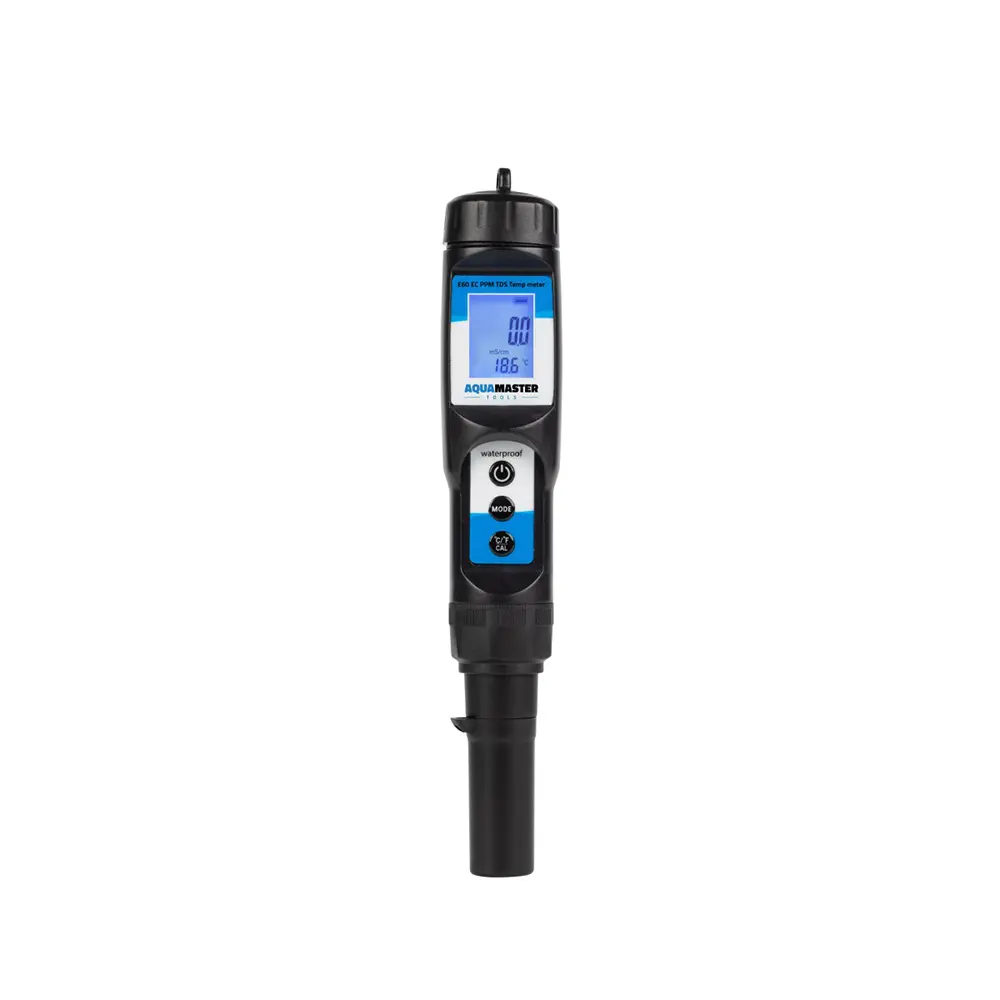
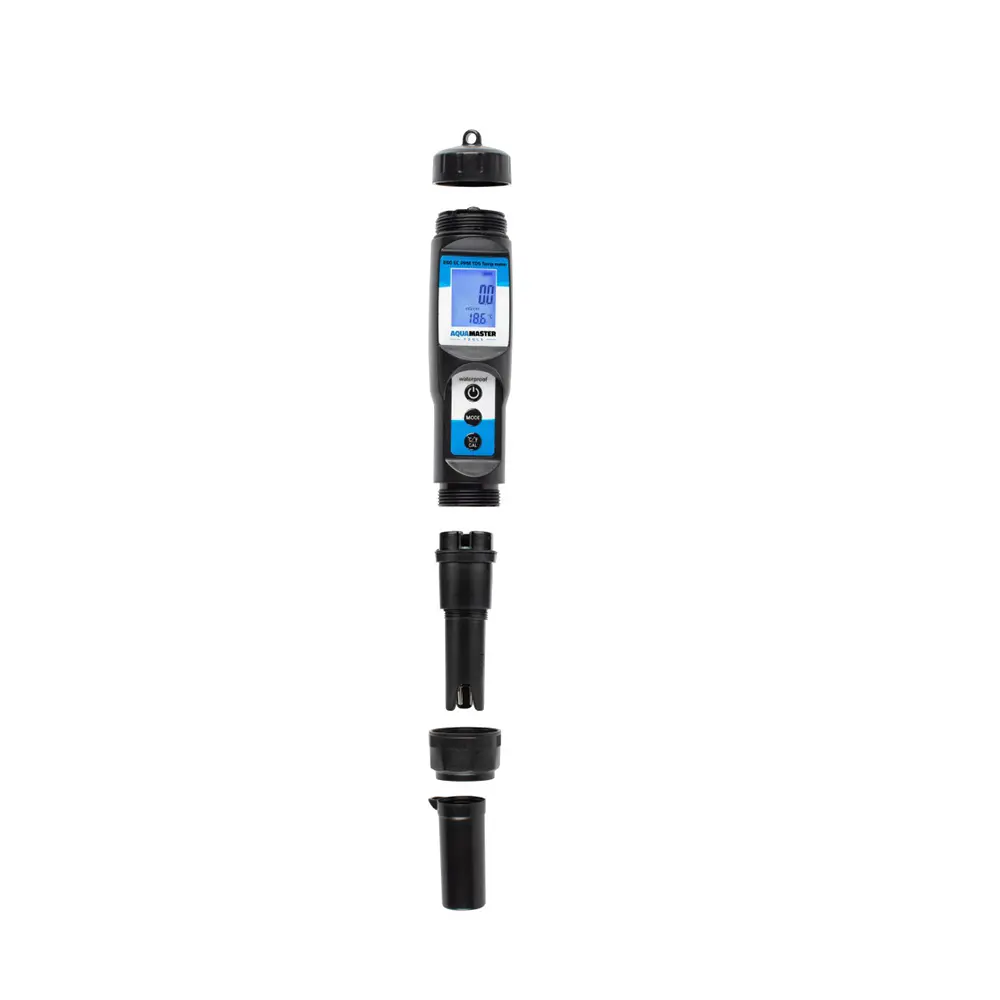


Aqua Master Tools E60 Pro Conductivity Meter - 8.66 x 1.58 x 1.58-in
AMT1008

Discover quality hydroponic equipment, indoor gardening supplies, grow lighting, nutrie...
City: US, Livermore
Our Advantages
- Competitive Price Matching
- Fast & Discreet Shipping (2-3 days)
- Safe & Secure Shopping
- High Quality Trusted Brands
Buying Multiple Units?
ACH Payments Available
Read Nutrient Solution Strength Before You Feed - 8.66 in Pen Format
Nutrient solution that runs too weak or too strong can stall vegetative growth and stress plants in flowering. A conductivity meter gives you a number to act on instead of a guess. The Aqua Master Tools E60 Pro is a pen-style conductivity meter you dip into the reservoir to check solution strength before you top up or adjust.
At 8.66 in long and 1.58 in across, this single unit suits growers who want one dependable tester for routine reservoir checks. Home gardeners can use it on a single system, and commercial growers can issue one per room or per crew.
Key Features & Benefits
- Pen-style body — carry it between reservoirs and take a reading wherever you work.
- Conductivity measurement — track how concentrated your nutrient solution is over time.
- Compact dimensions — 8.66 x 1.58 x 1.58 in fits a pocket, pouch or shelf.
- Manual available — a downloadable user manual covers setup and operation.
Who Should Use the E60 Pro Conductivity Meter
Anyone running hydroponic systems or feeding with dissolved nutrients: home growers, small indoor gardens and licensed commercial operations that need routine solution checks.
About Aqua Master Tools E60 Pro
The E60 Pro is a conductivity meter from Aqua Master Tools, listed in the catalogue as a combo pen meter. It measures 8.66 in long by 1.58 in wide by 1.58 in high and is sold individually.
Frequently Asked Questions
Q: What does a conductivity meter tell me?
A: It measures how well your solution conducts electricity, which reflects how much dissolved nutrient salt it holds. Growers use the reading to decide whether to add nutrient or dilute with water.
Q: What is EC?
A: EC stands for electrical conductivity. Higher EC means more dissolved salts in the water.
Q: How is EC different from TDS or PPM?
A: TDS and PPM are estimates of dissolved solids calculated from conductivity. EC is the direct measurement, so the same solution can show different PPM values depending on the conversion scale a meter uses.
Q: Does the meter need calibration?
A: Conductivity meters generally drift over time and need periodic calibration against a reference solution. Follow the steps in the Aqua Master Tools user manual for this model.
Q: How do I get the most reliable readings?
A: Rinse the sensor between samples and take readings from well-mixed solution at a consistent temperature. Keep the sensor clean, since mineral buildup can slow response.
Brand
Aqua Master Tools
GTIN
8785284957883
Product weight
0.4 lb
Length
8.66 in
Width
1.58 in
Height
1.58 in
Returns
30-day returns
No reviews found
Please sign in so that we can notify you about a reply