
Cart items:

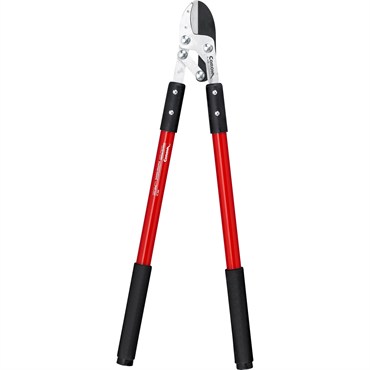
Corona EasyCUT Anvil Lopper - 32-in - Fiberglass Handles
CRNFL3420

Rootline Supply Co. provides reliable tools and products for growers, gardeners, and...
City: US, Grand Rapids
Our Advantages
- Competitive Price Matching
- Fast & Discreet Shipping (2-3 days)
- Safe & Secure Shopping
- High Quality Trusted Brands
Buying Multiple Units?
ACH Payments Available
Compound-Action Anvil Lopper for Dry and Dead Wood, 32in Fiberglass
A bypass blade tends to flex or bind against dry, dead, or heavily woody growth instead of cutting cleanly through it. The Corona EasyCUT Anvil Lopper is built for exactly that material, using a hardened anvil blade that presses against a flat plate to crush through branches up to 2 inches in diameter, with a compound-action mechanism that multiplies hand force so the cut takes noticeably less effort.
32-inch fiberglass handles absorb the shock and vibration that come with hard anvil cuts, and cushioned, non-slip grips keep the tool secure through sustained heavy-duty pruning work.
Key Features & Benefits
- Compound-action mechanism — multiplies hand force for easier cuts through tough, dry, or very thick branches.
- Anvil cutting blade — crushes through dry, dead, or heavily woody stems that would flex or bind a bypass blade.
- 32-inch fiberglass handles — absorb shock and vibration from hard cuts to reduce hand and wrist fatigue.
- Non-stick blade coating — reduces friction and sap adhesion for smoother cutting and faster cleanup.
- Cushioned non-slip grips — keep hands secure and comfortable through the full cutting stroke.
Who Should Use This
Growers and landscapers clearing dead growth, seasonal cleanup crews, and anyone removing thick woody branches are the direct fit, since the anvil action is purpose-built for material where raw cutting force matters more than a clean, healing-friendly slice.
About Corona
Corona Clipper has manufactured cutting tools since the late 1920s, tracing back to its founding in Corona, California and expanding production to a Fortin, Mexico plant in 2005.
Frequently Asked Questions
- When should I choose an anvil lopper instead of a bypass lopper?
- Choose an anvil lopper for dry, dead, or very thick woody material where cutting force matters more than a precise slice. Live, green growth is better handled by a bypass lopper, where a clean cut supports faster plant healing.
- How does the compound action reduce effort?
- A geared linkage multiplies the force applied at the handles. That lets you cut through thick, tough material with considerably less grip force than a direct-drive anvil lopper would require.
- Why fiberglass handles instead of aluminum?
- Fiberglass absorbs more shock and vibration than aluminum, which matters when making hard anvil cuts on tough, dry wood. That reduces the impact transferred to your hands and wrists during heavy use.
- Can the anvil blade be resharpened?
- Yes, a flat file or whetstone can be used along the cutting face. A sharp anvil blade takes less force per cut and leaves a cleaner cut face.
Brand
Corona Clipper Company
Height (in)
11.9
Length (in)
34.5
Weight (lb)
2.670
Width (in)
1.5
GTIN
038313044381
MPN
FL 3420
No reviews found
Please sign in so that we can notify you about a reply